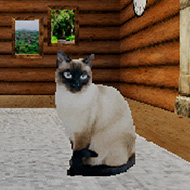








You’re a dog, alone in a cold house, and the only thing standing between the cat you’re supposed to be protecting and the dark outside is whether you remember to keep the fireplace burning. TAKE CARE OF THE CAT hands you that one small responsibility early, and it quietly builds everything else around whether you actually take it seriously.
| Genre | Short Horror Adventure |
| Perspective | Third-Person, PSX-Style |
| Endings | 2 |
| Session Length | A Few Minutes |
Keeping the Fireplace Lit in TAKE CARE OF THE CAT
The fireplace mechanic looks simple on paper — interact with it, keep the cat warm, move on — but it’s the detail new players most often forget to revisit once the game’s tension starts building elsewhere. Letting it die down doesn’t just affect atmosphere; it ties directly into how the cat responds to you later in the story.
Players who treat the fireplace as a one-time task rather than something to check back on tend to miss how much the game is quietly tracking that early act of care throughout the rest of the runtime.
It’s a small mechanic, but it sets the tone for everything TAKE CARE OF THE CAT is actually about underneath the horror elements.
Barking Versus Running From the Dark Forest
- Right-click bark is available as a defensive tool once the dark forest sequence begins, but players consistently report it working inconsistently against whatever’s stalking the treeline, which has made “just run” the more reliable community-recommended strategy despite the option existing.
- Running instead of barking tends to work more consistently, though it isn’t foolproof either, and losing track of direction in the dark forest is one of the most common ways a first playthrough goes wrong.
- Players who’ve finished the game more than once often experiment with mixing both approaches on repeat runs, since neither strategy alone guarantees a clean pass through the sequence.
The dark forest section is consistently the part players describe as the most tense in TAKE CARE OF THE CAT, precisely because the tools you’re given don’t behave with total reliability.
The Sheep Reveal and What It Changes
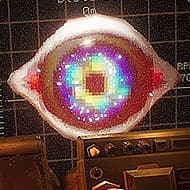
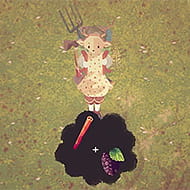
Without spoiling exactly how it happens, the sheep that appears late in TAKE CARE OF THE CAT is the single most talked-about visual moment in the game, and players consistently describe being caught off guard by how unsettling a simple textured model can look once it’s framed correctly. It’s a strong example of the game leaning on suggestion and unexpected imagery rather than traditional jumpscares to land its scares.
That reveal also functions as a pacing shift — once it happens, the tone of the final stretch changes noticeably, and returning players often point to it as the moment where the game stops feeling like a cozy pet-care story and fully commits to its horror identity.
Two Endings and What Separates Them
TAKE CARE OF THE CAT ends in one of two ways, and which one you get depends on choices made earlier in the game rather than a single obvious decision point at the finale. Players who prioritized the cat’s wellbeing throughout — keeping the fireplace lit, responding correctly during the forest sequence — tend to land on the ending the community refers to simply as the good ending, while inconsistent care tends to lead toward the other.
Some players have been openly disappointed after landing on the worse outcome without realizing earlier choices were being tracked at all, which is a fair criticism of how quietly the game signals its consequences.
Multiple players have specifically praised the good ending as an emotional payoff that outweighs the game’s short length, which is part of why so many people return for a second run after finishing once.
Playing TAKE CARE OF THE CAT the Way It’s Meant to Be Played
The developer’s own recommendation — lights off, headset on, played late at night — isn’t just flavor text. The game’s sound design and pacing are clearly built around that specific viewing condition, and players who follow the suggestion consistently report a noticeably more effective experience than those who play it casually during the day.
How This Sequel Builds on Take Care of Your Dog
Players coming from the original game will recognize the same short, atmospheric structure, but the role reversal — playing as the dog looking after the cat instead of a human caring for a dog — changes the emotional framing in a way most returning players single out as the sequel’s strongest improvement. Where the first game built tension around a human’s growing unease, TAKE CARE OF THE CAT builds it around a smaller, more vulnerable protagonist trying to protect something even more vulnerable than itself.
By the time the credits roll on whichever ending you’ve earned, TAKE CARE OF THE CAT has made its point less through the dark forest chase and more through that first fireplace you either remembered or forgot to tend.