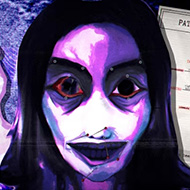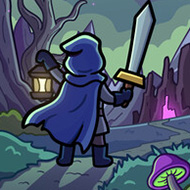








What happens when a horror game refuses to explain itself before dropping you into the first room? Smile More opens on a static screen, a short prompt, and nothing else, leaving you to click forward without any sense of what waits past the first doorway. That deliberate silence is the whole opening pitch, and it either hooks a player immediately or leaves them clicking around looking for a hint that never comes.
| Genre | Point-and-click horror adventure |
| Perspective | Static screen, click-to-move |
| Session Length | Short, single sitting |
| Core Focus | Reading rooms for what’s out of place |
Reading a Room Before You Click Through It in Smile More
The core interaction never changes much: a static scene, a handful of clickable spots, and a decision about which one to try first. New players tend to click the most obvious object in a room immediately, then move on without checking anything else, which means missing smaller details that later scenes assume you noticed. Smile More rarely repeats a hint, so a detail skipped early can leave a later scene feeling unfair when it really isn’t.
Players who slow down and click every visible option before advancing tend to have a smoother run than players treating each screen like a race. The pacing rewards patience more than reflexes here, and that is easy to miss on a first pass through.
A rough approach that tends to work:
- Click every visible object in a scene before moving forward
- Note anything that looks slightly wrong or out of place
- Only advance once a scene stops offering new reactions
What Smile More Leaves Unexplained
One honest criticism worth naming directly: Smile More doesn’t hand out much context. There’s no setup explaining why the rooms look the way they do, which some players find genuinely divisive, since the tension depends entirely on tone and pacing rather than a pieced-together story.
Players expecting a resolved mystery may come away wanting more, while players who enjoy short, mood-first horror tend to find the brevity works in its favor.
- Sequence of scenes:
- Open on a static room with limited clickable spots
- Interact fully before the game allows progress
- Carry forward whatever changed into the next scene
Is Smile More a long game?
No, it’s built for one sitting, with a handful of short scenes rather than a sprawling multi-hour campaign.
Does Smile More rely on jump scares?
Mostly not directly; the tension leans on static pacing and unexplained detail rather than a steady stream of scripted shocks.
What should a first-time player focus on in Smile More?
Checking every clickable element in a scene before advancing, since the game rarely repeats information once a room is left behind.
Smile More earns its unease from what it withholds rather than what it shows, and the short runtime means a second look at a missed detail is never far away. Once you stop expecting an explanation and start reading each static room on its own terms, the pacing starts to make sense.