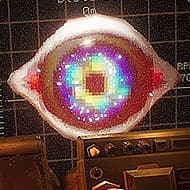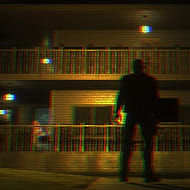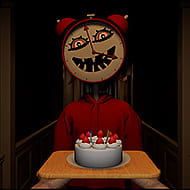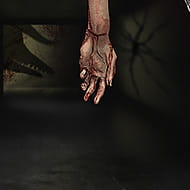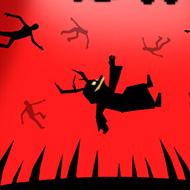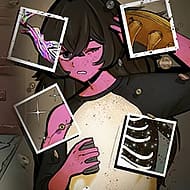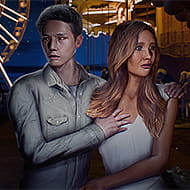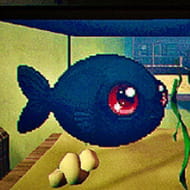








You step into a dim, enclosed space in Miller’s Fantasy: PARTY with no clear objective marker and only the sound of your own footsteps for company, and that isolation is the point before anything else happens. The game commits fully to a quiet, uneasy setup rather than rushing toward an early scare, which sets a different pace than most short horror titles built for a quick jolt.
| Genre | Atmospheric horror |
| Perspective | First-person exploration |
| Session Length | Short, single sitting |
| Core Focus | Tension through silence and pacing |
Moving Through the Dark in Miller’s Fantasy: PARTY
There’s no map and no objective marker guiding you through Miller’s Fantasy: PARTY, so orientation depends entirely on remembering which corridors have already been checked. New players tend to wander without a mental map, doubling back through the same space without realizing it, which stretches a short experience out longer than it needs to be.
Players who mentally track which direction they entered from tend to move through the space more efficiently, treating each turn as a decision worth remembering rather than a random hallway.
What Miller’s Fantasy: PARTY Doesn’t Tell You
A fair criticism worth stating plainly: Miller’s Fantasy: PARTY offers very little direct guidance, and that minimalism is genuinely divisive. Some players find the lack of hand-holding effective, since it forces attention onto small environmental details instead of a UI element telling you where to go next. Others find the same absence frustrating, especially in a short game where wasted time exploring dead ends eats into an already brief session.
- Enter the space and get oriented before moving quickly in any direction
- Track which paths have already been explored rather than relying on memory alone
- Treat silence as a cue to slow down rather than a sign nothing is happening
Is Miller’s Fantasy: PARTY a long experience?
No, it’s built for a short single sitting, with pacing that favors quiet tension over an extended campaign.
Does Miller’s Fantasy: PARTY explain its setting directly?
Not explicitly. The game leans on environmental details and silence rather than direct exposition, which some players find effective and others find too sparse.
Miller’s Fantasy: PARTY works best when approached slowly, treating its quiet stretches as intentional rather than empty space to rush through. The tension it builds comes almost entirely from that patience, not from a string of scripted shocks along the way.