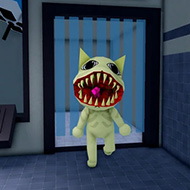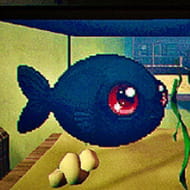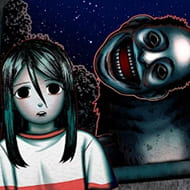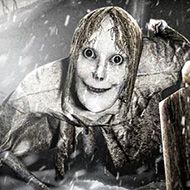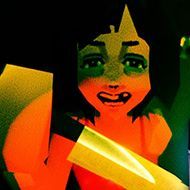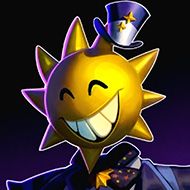








Some of the animals waiting in line for check-in aren’t animals at all. That single unsettling fact is the entire premise behind Animal Hospital Anomalies, a cooperative horror simulation where the job isn’t just treating patients — it’s figuring out which ones shouldn’t be let through the door in the first place.
| Genre | Cooperative horror simulation |
| Party size | Up to four players per shift |
| Starting class | Intern |
| Currency | Animal Coins |
| Core loop | Inspect, admit or reject, treat |
Animal Hospital Anomalies: A Front Desk Job Where Patients Lie
Every shift starts the same way: a patient approaches the check-in window, and the player has a short window to decide whether it’s safe to let them into the hospital at all. Most patients are exactly what they look like, which is precisely why the ones that aren’t manage to slip through so often — vigilance fades fast when nine out of ten cases are routine.
The Three-Step Check the Intern Class Teaches First
New players start in the no-cost Intern class, and the early shifts exist mostly to drill one habit: check appearance, check the developing photo, then check the CCTV feed before opening the shutters. Skipping any single step is the fastest route to admitting something dangerous by accident.
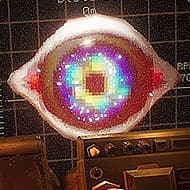
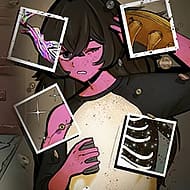
The developing photo deserves more patience than it gets from rushed players — several anomaly types only reveal themselves once the image finishes rendering, not in the split second it first appears.
Appearance, Photo, and CCTV: Reading the Same Patient Three Ways
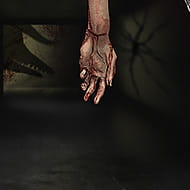
A patient can look completely ordinary standing at the window while their photo shows a mismatched ear, or look fine in both of those checks while the CCTV feed reveals arms moving in a way a real animal’s shouldn’t. No single check catches everything on its own, which is exactly why the three-step process exists instead of a faster shortcut.
Animal Coins and the Slow Climb Out of the Intern Tier
Shifts completed successfully pay out in Animal Coins, the currency behind every class purchase beyond the starting option. Saving toward a second class early tends to matter more than spending coins on cosmetics, since different classes change what a shift actually looks like rather than just how a character looks while working it.
Recurring Faces That Animal Hospital Anomalies Reuses on Purpose
Not every character at the window needs treatment. Ratthew and Ron from Accounting show up periodically without needing to be checked in at all, and treating them like a normal patient wastes a check-in slot better spent on something that actually matters. Learning to recognize these recurring faces on sight saves real time during a busy shift, and it’s the same kind of pattern recognition most anomaly-hunting games eventually demand from a player.
How do you avoid admitting a fake patient in Animal Hospital Anomalies?
Running the full three-step check — appearance, developing photo, then CCTV — before opening the shutters catches far more disguised patients than relying on a single glance ever will.
Do Ratthew and Ron from Accounting need to be treated like patients?
No, both are recurring characters who appear without needing a formal check-in, and treating them as standard patients just costs time that could go toward an actual case.
What’s the fastest way to earn Animal Coins early on?
Completing full shifts cleanly as the Intern class, rather than rushing checks and losing patients, tends to pay out more reliably than chasing shortcuts.
Getting comfortable with the check-in window is really the foundation for everything else Animal Hospital Anomalies asks of a new hire, since every class and every later system still leans on that same appearance-photo-CCTV habit.