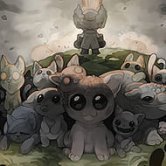








What do you do when your best Butcher dies of old age soon after you finally rolled the perfect stat spread? Mewgenics asks that question constantly, and the answer is always the same: breed another one. It is a tactical RPG where you collar cats into classes, send four of them at a time onto grid-based battlefields, and bring the survivors home to breed the next generation.
| Genre | Tactical RPG with cat breeding |
| Players | Single-player |
| Run size | 4 cats per adventure |
| Home loop | Breed, furnish, donate |
| Playthrough length | Roughly 150 to 200 hours |
Breeding and the Cat House in Mewgenics
Your house is where the long game happens. Cats breed, fight, age, and develop disorders overnight, and house stats such as Comfort decide how often they breed or fight. If cats never breed, your team never grows.
Kittens inherit physical traits, stats, and mutations, but not everything passes down cleanly. That randomness is why a perfect pair can still produce a dud, and why breeders keep notes on lineages.
Baby Jack sells furniture that changes house stats, and those stats feed breeding and stray cats. Players who love min-maxing a bloodline will spend as much time here as in combat.
Collars, Classes, and Butch
Classes come from collars. You pick a collar before each adventure, and that choice sets stat modifiers and the abilities a cat earns as it levels up. Once chosen, a cat’s class cannot change during that run.
You start with five classes, and nine more unlock later. Butch hands them out after you clear certain areas, so Druid only arrives once you beat The Crater.
Butcher is a good example of a class with a clear identity: +3 Constitution, +2 Strength, -2 Speed, and a hook that pulls enemies toward you. Tactics players who enjoy front-line control will find that hook reshapes how a whole fight is positioned.
Running an Adventure With Four Cats
Outside the house sits the Adventure Box. You place four adult cats inside, assign classes, and the run begins. Food and coins you collect come home with you.
Balance matters, because a mix of roles survives longer than four copies of the same class. Act 1 takes you through the Caves and the Boneyard, and battles play out on procedurally generated grids.
There is no true game over, since every run feeds long-term progress through unlocked classes, mutations, and knowledge. Once you lose your first run, the Mystery Man appears, takes the dead cats, and lets you recover items so a defeat does not wipe everything.
Mutations, Disorders, and Inbreeding
Cats have a daily chance to develop mutations, and the Mutation house stat raises it. Most mutations trade one stat for another, while a few grant extra turns or level-up rerolls.
Inbreeding is where the game turns dark. Breeding closely related cats can produce kittens with birth defects, and cats also develop disorders overnight, so a strong lineage can still collapse.
Dr. Beanies wants exactly those cats, accepting ones with mutations, disorders, birth defects, or parasites. Even negative mutations can be useful in a setup, which is part of why players hold on to strange cats.
Tink, Baby Jack, and the Donation Economy
Tink teaches you breeding and reveals more about each cat as you upgrade him, from base stats to family trees. Donating kittens to him unlocks stats like sexuality and libido and shows how cats relate to each other.
Donation is the loop for turning old cats into upgrades. Cats that survive adventures can be given to NPCs to unlock more item storage, better shop stock, or other long-term perks.
That loop is divisive. Some players love the dark comedy, while others feel uneasy that you are rewarded for giving cats away, and completionists chasing every donation upgrade should expect a long grind.
What Beginners Get Wrong in Mewgenics
The first mistake is spending too long on combat and too little on the house. Most guides put Butch first because inventory space is critical, then Tink, then Baby Jack.
Another is ignoring Comfort, which quietly decides how often cats breed or fight. Sending injured cats to Baby Jack is how you upgrade his shop, so a wounded cat is not always a wasted one.
Veteran players track lineages and pair survivors with complementary stats, then mix classes into hybrids nobody planned. That patience separates a lucky run from a reliable one.
The Complaints Players Keep Raising
Even with every Tink unlock, there is still no way to sort cats by base stats, mutations, or gender, which hurts once you pass 30 cats at home.
Pacing is another debate. A full playthrough takes roughly 150 to 200 hours, so the loop has to stay entertaining for a very long time, and that is a lot to ask of any grind.
Even so, critics praise the depth, the humor, and the soundtrack, and players keep coming back for one more lineage.
Mewgenics Questions Players Search
How do you unlock classes in Mewgenics?
You begin with five classes, and nine more come from progress. Talk to Butch when his icon appears after you clear an area, such as The Crater for Druid, and he hands over the new collar.
How does breeding work in Mewgenics?
Keep Comfort high and let cats breed at home, and kittens inherit traits and mutations with some randomness. Tink can reveal base stats and family trees once upgraded, which helps you avoid inbreeding defects.
Who is Tink and what does he do?
Tink is the flamboyant host of the cat beauty pageants and your guide to breeding. Donate kittens to him to reveal hidden stats, apply symbols to cats, and unlock breeding modifiers across seven upgrade tiers.
Mewgenics rewards the player who treats every cat as both a fighter and a family tree, from a Butcher with a hook to a kitten carrying a risky mutation. Between Butch’s collars, Tink’s pageants, and the Adventure Box waiting outside, the loop is always asking what you will breed next.