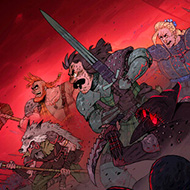








Tears of Metal looks like a straightforward hack-and-slash brawler at a glance, all sword swings and horde clearing, but it plays like a roguelike campaign that punishes sloppy positioning and rewards careful build planning across every run. The Warriors-style combat is the hook, but the roguelite structure underneath is what actually keeps players coming back to Early Access.
Wallace and the Starting Toolkit
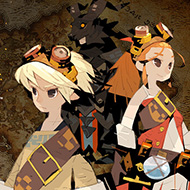
Every new player begins with Wallace, a sword-wielding leader whose Parry and Dodge give him the most forgiving learning curve of any hero in the game. Wallace teaches the fundamentals that carry over to every other commander: light attacks and heavy attacks combo into each other, blocking has real timing windows, and Dodge can bail you out of a bad read if you use it early enough. Learning Wallace’s Caithness combos properly before branching out to other heroes saves a lot of frustration later.
Wallace’s damage output sits comfortably in the middle of the roster, which is exactly why most guides recommend starting there. He doesn’t excel at anything specific, but he also doesn’t punish mistakes as harshly as some of the more technical heroes do once enemy density picks up in Act II and Act III.
Unlocking Ruadh Stonecrusher and Vanguard Tracker in Tears of Metal
Ruadh Stonecrusher, a hammer-wielding tank capable of healing allies mid-fight, unlocks only after defeating the Banshee, one of the game’s tougher early boss encounters. His kit rewards a slower, more deliberate playstyle, since his hammer swings commit you to longer animations in exchange for armor-breaking damage that Wallace simply can’t match.
Vanguard Tracker joins the roster differently, through a rescue event in Act II’s Environment 12 rather than a boss fight. Once unlocked, Tracker becomes the pick for players who’d rather stay mobile and pick off elite enemies from range instead of trading blows in the middle of a horde. Between these three heroes plus Brienne Ironleg, whose damage scales off Direct Hits and who cancels combos differently than the rest of the roster, Tears of Metal gives every playstyle a genuine option rather than a token alternate skin.
Emblems, Charms, and Village Progression
Runs are built around eight Emblem families that you pick up mid-campaign, and these choices reset at the end of every run, which is standard roguelike design. What sets the game apart is how Charms and equipment persist across campaigns even after a run ends, layering a slower meta-progression on top of the fast within-run decisions. Village meta progression: this is the permanent layer where earned resources upgrade your hub between attempts, separate from the temporary Emblem choices you make inside a single campaign.
New players consistently misjudge this split early on, spending every bit of currency on temporary in-run artifacts instead of banking resources at the hub for permanent upgrades. Experienced players treat early runs almost as farming trips, expecting to fail but banking whatever they can for the next attempt rather than chasing a clean clear immediately.
Permadeath and What It Actually Costs You
Permadeath in Tears of Metal applies to the soldiers and companions you recruit during a run, not to your hero commander directly. Losing a veteran ally mid-campaign stings in a way that pure cosmetic loss never would, since that soldier’s accumulated experience is gone until you find and train a replacement. This is one of the more divisive design choices players argue about, since it adds real weight to squad decisions but can also feel harsh during an unlucky Act III push where reinforcements are scarce.
By the time you reach the later Acts, managing your battalion becomes as important as managing your own hero’s cooldowns. Players who treat soldiers as disposable early tend to hit a wall once the difficulty scales past what a lone hero can handle alone.
Co-op and Squad Roles in Tears of Metal
Up to four players can team up in a single campaign, each controlling their own hero commander while sharing battalion progression and village upgrades between runs. Squad composition matters more than in most roguelikes of this style, since pairing Wallace’s balanced kit with Ruadh’s armor-breaking hammer and Tracker’s ranged pressure covers weaknesses none of them can solve alone. A common community complaint is that the hero roster still feels small for four-player groups who want everyone playing something distinct, and that conversation shows up constantly in the game’s Steam discussions.
Coordinating Emblem picks between four players adds a layer of decision-making that solo runs simply don’t have. A group that stacks the same Emblem family across every hero can snowball a run hard, but it also means agreeing on priorities on the fly, since Emblems are offered per player and good options don’t always line up with what the group actually needs. Voice comms help here more than in most co-op games of this type, since a missed callout about an incoming elite pack can wipe an entire squad in Act III.
Reading Enemy Patterns in Later Acts
Once you reach Act II, enemy packs stop behaving like the simple fodder from Act I. Groups start mixing armored units that shrug off light attacks with faster skirmishers that punish players who stand still too long, and the difference between a clean clear and a wipe often comes down to reading which enemy to prioritize first. Ruadh’s armor-breaking swings become genuinely necessary here rather than just a nice option, which is part of why so many players push to unlock him before attempting a serious Act II run.
Act III raises the stakes further with denser enemy waves and tighter timing windows on boss mechanics. Players who relied on Dodge spam through the earlier Acts tend to get punished hard once bosses start telegraphing multi-hit combos that require a proper Parry read instead of a reflexive roll away.
What the Community Argues About
Balance discussions dominate most threads about the game right now, particularly around how quickly enemy density scales in Act II compared to how few tools new heroes have when they first unlock. There’s also an ongoing debate about roster size, since three or four playable commanders feels thin next to the eight Emblem families layered on top, and players regularly ask when ranged specialists or spellcasters might join the lineup. None of this stops people from putting dozens of hours in, but it’s a fair criticism that shows up in nearly every serious discussion of the game.
Combat pacing draws similar mixed reactions. Some players love how deliberate Ruadh’s hammer swings feel against a horde, treating every hit as a commitment, while others find that same weight frustrating when Act III throws faster, more aggressive enemy patterns at a hero built around slow, heavy strikes.
What ties Tears of Metal together across all of this is how tightly its systems interlock: the Emblem choices you make mid-run only matter because permadeath makes every soldier loss feel expensive, and Ruadh’s armor-breaking hammer only shines once you understand how the Banshee fight gates his unlock in the first place. It’s a game built on layered commitments rather than isolated mechanics, and that’s exactly why the roster and balance debates around it stay so active.