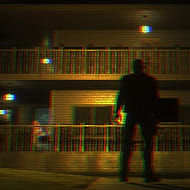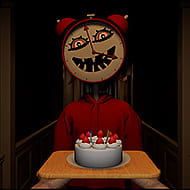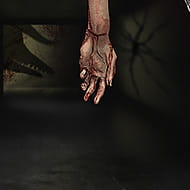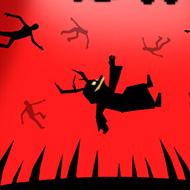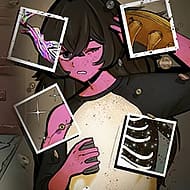








You’re alone in the house, it’s past midnight, and something has been watching your bedroom window for the last three nights without ever coming closer. That’s the exact situation The Parallel drops you into, and the first rule you learn — don’t run, don’t look, don’t make noise — is the one most new players break within their first ten minutes.
Stalkers and the Rule Against Running
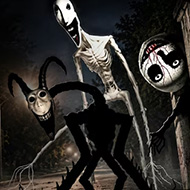
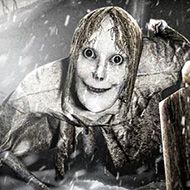
Stalkers are the entities you’ll encounter most often in The Parallel, and they behave less like traditional monsters and more like predators with patience. A Stalker will watch a target for hours, sometimes longer, before choosing the moment it strikes, and that waiting period is where most of the game’s tension actually lives rather than in the strike itself.
The instinct to sprint the moment you spot one is exactly what gets new players caught. Bipedal Stalkers can close distance far faster than a human sprint, so outrunning one in open ground is never a realistic option — the intended response is staying still, staying quiet, and letting the Stalker lose interest rather than confirming your location by moving.
Players coming from more traditional chase-based horror titles tend to struggle here specifically because their reflexes tell them to flee, when the game is actually built around the opposite instinct.
The Quadrupedal Stalker’s Line of Sight
The quadrupedal variant behaves differently enough from its bipedal counterpart that treating them the same is one of the more common mistakes in early runs. Rather than stalking over time, the quadrupedal Stalker can appear suddenly and close in the moment it’s spotted, which means the danger isn’t a slow build but an immediate one tied directly to eye contact.
Community discussion around this entity tends to use the shorthand “quad” to distinguish it quickly from the standard Stalker, and the advice repeated most often is simple: if you see it, you’ve already lost the safety window, so don’t confirm the sighting by looking a second time.
Cautious players who methodically scan a room before entering tend to spot the quadrupedal Stalker’s presence indirectly — through environmental disturbance rather than a direct sighting — which gives them a real chance to avoid the encounter altogether.
Virus, Tormentor, and Other Entities of The Parallel
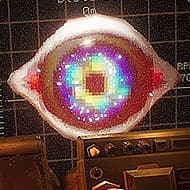
- Virus behaves less like a physical predator and more like a corrupting presence, and players describe encounters with it as psychologically disorienting rather than a straightforward chase, which changes how you’re expected to respond compared to a Stalker.
- Tormentor is associated with prolonged harassment rather than a quick strike, and surviving an encounter with it tends to depend on enduring rather than escaping, which frustrates players used to horror games built around a clean exit.
- Entity of Influence and Despair Culler round out the roster, and both are tied more closely to psychological pressure than physical danger, reinforcing that The Parallel isn’t purely about outrunning something in the dark.
Six named entities currently populate the series this game is adapted from, and the adaptation keeps most of their core behaviors intact rather than simplifying them into a single generic threat type.
Staying Quiet: Lights, Noise, and Movement
The core survival loop in The Parallel comes down to three habits: turning off lights, staying quiet, and avoiding unnecessary movement whenever an entity might be nearby. None of these are especially difficult individually, but combining all three under pressure — especially once you can hear something moving nearby — is where most deaths actually happen.
New players consistently light up rooms out of habit, not realizing that a lit window is effectively an announcement of your location to anything stalking the area outside.
Players who’ve logged more time with the game tend to develop a rhythm of checking light sources first before doing anything else in a new room, treating it as a reflex rather than a conscious decision.
Reading Environmental Cues Before an Entity Appears
Long before an entity physically shows up, The Parallel tends to signal its presence through smaller environmental details — a door left ajar, a sound that doesn’t match its source, glass that’s already broken before you’ve entered the room. Players who pick up on these cues early get a genuine head start on preparing, while players who ignore them until the entity is visible are usually already too late to respond safely.
This is one of the areas the community discusses most, since the cues aren’t always consistent enough to feel fully reliable, and that inconsistency is a fair criticism even among players who otherwise enjoy the tension it creates.
Once you’ve been caught by surprise a few times, the environmental storytelling starts to read less like set dressing and more like an active warning system you’ve learned to trust.
The Despair Culler and Psychological Pressure
Unlike Stalkers, the Despair Culler is built around wearing a player down over an extended period rather than delivering a sudden scare. Encounters tend to stretch across a level rather than resolving in a single moment, and that pacing is deliberately uncomfortable in a way some players find more effective than a jumpscare, while others find it drags compared to the sharper tension of a Stalker encounter.
That split reaction is one of the more honest things to acknowledge about The Parallel — the game clearly isn’t trying to scare everyone the same way, and the entities that work best often depend on what kind of horror pacing a given player responds to.
What Beginners Consistently Get Wrong
The single biggest mistake new players make is treating every entity encounter the same way, applying the “stay still and quiet” Stalker strategy to situations that actually call for endurance or a completely different response. The Parallel expects you to recognize which entity you’re dealing with before deciding how to react, and that recognition only comes with repeated exposure to each one’s specific behavior.
How This Adaptation Compares to the Source Series
Players familiar with the original analog horror series will recognize most of the entities and lore intact in this playable version, though the interactive format naturally changes the pacing compared to watching a fixed-length episode. Where the source material controls exactly when a scare lands, The Parallel as a playable experience puts that timing partly in your hands, which some longtime fans of the series appreciate for the added tension and others feel loses some of the original’s tight narrative control.
Frequently Asked Questions
- What happens if you run from a Stalker in The Parallel? Running typically confirms your location and triggers pursuit, since bipedal Stalkers move faster than a sprinting player, so standing still and staying quiet is the safer response in almost every encounter.
- How do you avoid the quadrupedal Stalker? Avoiding direct eye contact and relying on environmental cues rather than actively scanning for it reduces the chance of triggering an immediate pursuit, since this variant reacts specifically to being spotted.
- Is The Parallel scarier than other analog horror adaptations? That depends heavily on personal taste — players who prefer sudden scares tend to favor the Stalker encounters, while players who prefer sustained dread point to entities like the Despair Culler as the more effective part of the experience.
Whether you’re freezing in place as a Stalker loses interest or trying to outlast a Despair Culler encounter without giving away your position, The Parallel keeps circling back to the same lesson: in this world, the safest thing you can do is often nothing at all.