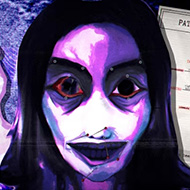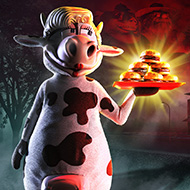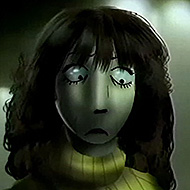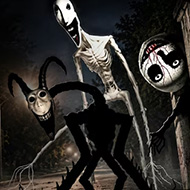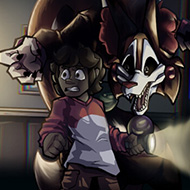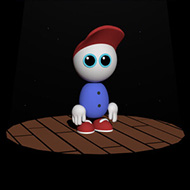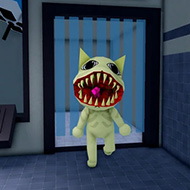








The Holiday Story places the player inside a seasonal setting where exploration, item collection, and small decision-based interactions guide progress through shifting winter scenes. The environment contains hidden tasks, optional routes, and unpredictable moments that encourage the player to observe carefully as they advance. In The Holiday Story, completing objectives depends on reading environmental cues, solving small-scale puzzles, and managing the timing of actions as new events unfold. Each area reveals different holiday-themed challenges that require the player to maintain awareness while navigating snowy paths and interior spaces.
Dynamic Scenes, Seasonal Tasks, and Navigational Awareness
The early portion of The Holiday Story focuses on guiding the player through warm-lit buildings and outdoor spaces decorated with festive objects. Despite the inviting aesthetic, the structure of each segment demands attention to detail. Tasks often appear subtly, triggered by interacting with objects in the correct sequence. Some require moving between regions to gather missing items, while others activate characters who provide hints. The varied environments shift tone as players move deeper into the narrative path, with new layers of mystery introduced through environmental storytelling.
- Scene tracking: Examine rooms thoroughly to identify small objects tied to progression.
- Sequenced interaction: Complete activities in the correct order to avoid repeat navigation.
- Character cues: Pay attention to small hints provided during dialogue segments.
Puzzle Structures, Environmental Signals, and Item Management
Tasks in The Holiday Story require logical reasoning rather than speed. Some puzzles involve pattern matching, while others depend on memory or spatial observation. Snow-covered paths may reveal faint tracks that the player must follow, and interior spaces house objects connected to coded messages. As more regions unlock, managing collected items becomes important, especially when certain objects only function in specific places. The design encourages players to experiment with interactions instead of relying on trial-and-error repetition.
- Pattern recognition: Identify recurring visual markers tied to puzzle solutions.
- Inventory timing: Use key objects only when environmental signals indicate relevance.
- Navigation logic: Map out rooms mentally to reduce unnecessary backtracking.
Guidance, Strategy, and Player Questions
Players frequently ask how to unlock the more elusive events in The Holiday Story. Many optional scenes depend on completing tasks that appear minor at first glance. Another common question involves how to locate hidden pathways. These paths often blend into the environment, becoming visible only when the player interacts with certain objects or triggers a nearby character’s line. Making consistent progress requires patience, thoughtful exploration, and an understanding that some tasks unlock secondary outcomes rather than immediate advancement.
- Optional event discovery: Revisit earlier rooms after major tasks to activate new interactions.
- Path identification: Look for faint texture differences or slight lighting shifts along walls.
- Task layering: Treat each objective as part of a larger sequence instead of an isolated action.
The Holiday Story rewards players who observe subtle signals, manage items effectively, and approach each challenge with patience. Completing the experience feels smooth when players understand how tasks, puzzles, and interactions connect across the unfolding winter narrative.