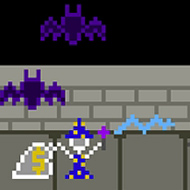








Project P.I.T.T. places the player in a structured arena where waves of opponents must be managed through positioning, timing, and careful resource handling. The layout encourages movement across multiple lanes while the opponents’ behavior shifts with each new wave. Mastery comes from understanding how opponents gather, how their patterns evolve, and how to maintain control of the arena without being overwhelmed by sudden pressure.
Arena Layout, Opponent Behavior, and Tactical Movement
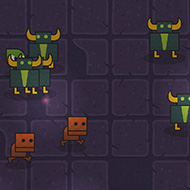
The opening stages of Project P.I.T.T. introduce basic opponents that move predictably, giving players time to adjust. As waves intensify, opponents attack in groups or trigger synchronized movement patterns that require quick adjustments. Positioning becomes the foundation of survival: staying aware of multiple lanes while reacting efficiently allows the player to avoid being trapped in a corner.
- Spatial awareness: Observe incoming threats from all lanes before committing to movement.
- Pattern tracking: Learn which waves move in groups and which attack individually.
- Escape planning: Keep always one safe lane in mind for emergency repositioning.
Resource Management, Wave Scaling, and Combat Rhythm
Project P.I.T.T. requires continuous resource handling as the arena becomes more intense. Some waves drop items that improve efficiency, while others require saving resources for later phases. Learning when to engage directly and when to withdraw temporarily helps maintain rhythm throughout extended sessions. Strategic timing ensures that players can overcome sudden difficulty spikes without losing control.
- Item prioritization: Gather essential items early before the arena becomes crowded.
- Wave pacing: Identify low-pressure intervals to reposition or conserve energy.
- Rhythm management: Engage consistently while avoiding unnecessary risks.
Common Questions and Effective Strategies
Players frequently ask how to manage late-game waves where opponents become faster and more coordinated. One solution involves controlling the center region of the arena, which provides access to multiple escape paths. Another tactic is recognizing when a wave focuses on one lane. Redirecting attention quickly prevents surprise attacks. Monitoring the edges also helps identify emerging threats before they overwhelm the player.
- Center control: Use the central area to maintain flexible movement options.
- Multi-lane scanning: Shift attention frequently between lanes to stay ahead of threats.
- Threat prioritizing: Target the fastest opponents first to stabilize the wave.
Project P.I.T.T. offers an evolving arena where adaptability and awareness shape every decision. Through continuous practice and strategic movement, players build the reliability and control needed to handle even the most challenging waves.